
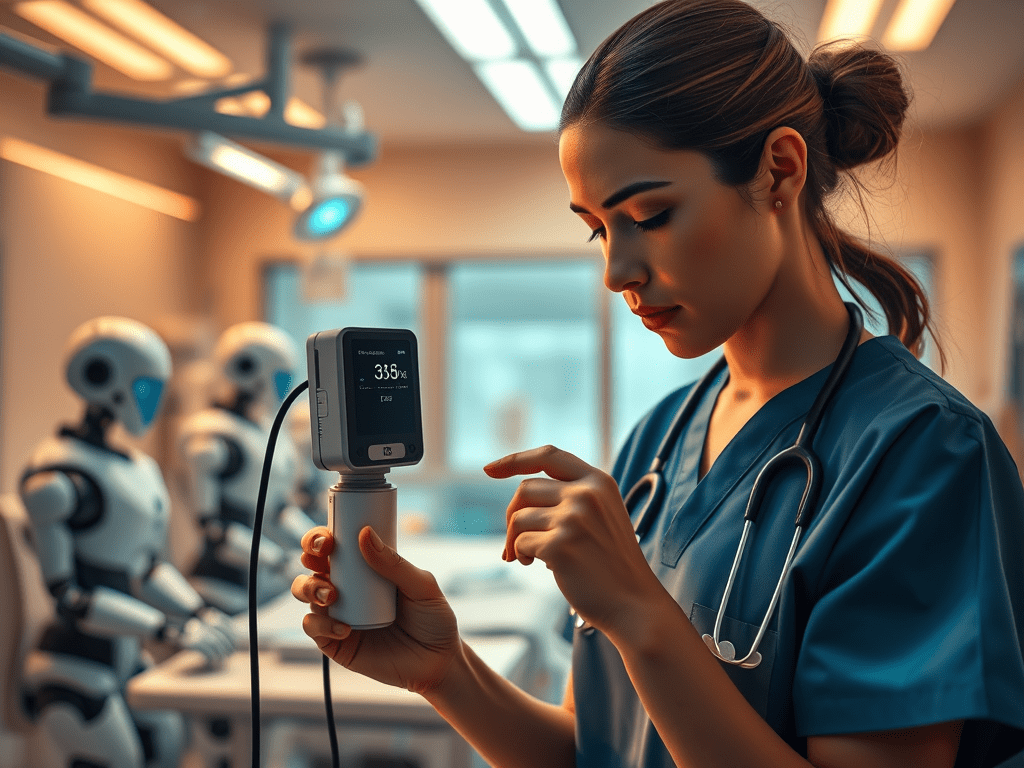
Every year in Canada, approximately 28,000 lives are lost due to medical errors (Guelf Today, January 31, 2024). Just in 2022 and 2023, 1 out of 17 Canadians experienced harm during hospital stays. 47% of these harms were due to medical errors (Canadian Institute for Health Information, 2024). In light of these alarming statistics, the demand for rigorous training and preparation of health professionals has been critical. To avoid this trend, nurses and medical practitioners need to effectively prepare themselves by working with realistic medical simulation devices. One such medical simulation device is Simulated CO2 Detector, which enables practitioners to learn about the use of CO2 detectors. XYZ company designs simulation devices to enable medical students gain practical knowledge before they begin working in a real medical setting.
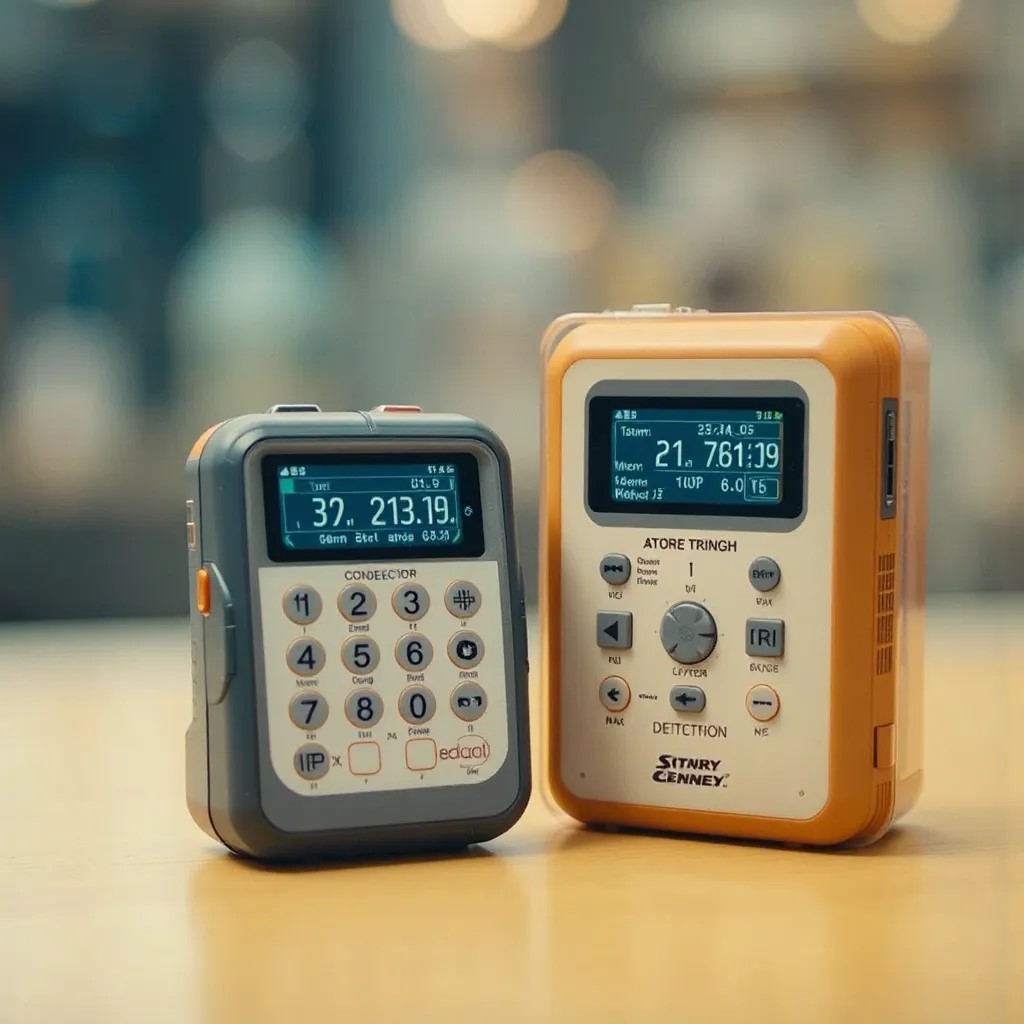
Table of Content
- Why Simulated CO2 Detector?
- Medical Errors
- How Simulated CO2 Detectors Work?
- Why XYZ Simulated CO2 Detectors?
- What Makes a Good CO2 Detector Simulator?
- Conclusion
- References
Why Simulated CO2 Detector?
Simulated CO2 Detector assists nurses and medical practitioners develop key skills on standardized patients or human-like robots. Working with simulated devices is necessary before working with real patients at hospitals for various reasons. It minimizes potential health risks and enables medical students to develop practical key skills. Indeed, simulation learning is an ideal solution to reduce medical errors and improve patient safety (Al-Elq, 2010; Lateef, 2010; Tan, & Sarker, 2011).
Medical Errors
Surprisingly, medical errors are the third major cause of death in both Canada and USA (Guelf Today, 2024; Gordon, 2022). As of July 2023, 795,000 Americans died or were permanently disabled due to medical mistakes (Murez, 2023). This alarming death toll has caused physicians face serious medical litigations both in Canada and around the world.
An article by Dr. Pensa in TIME (2023) reports that clinicians face severe consequences as a result of medical litigation. They quit jobs, lose their livelihood, experience physical violence, face defamation, and commit suicide. But this is something that no one is speaking about. A sad reality is that for three years in a row, Canada has seen a rise in medical errors(Favaro, 2023). Medical errors have jumped to 36% in Quebec only (Canadian Healthcare Technology, August 23, 2023). According to Becker’s ASC Review (2019), more than half of physicians face litigation, and general surgeons are among the top ten most-sued specialties.
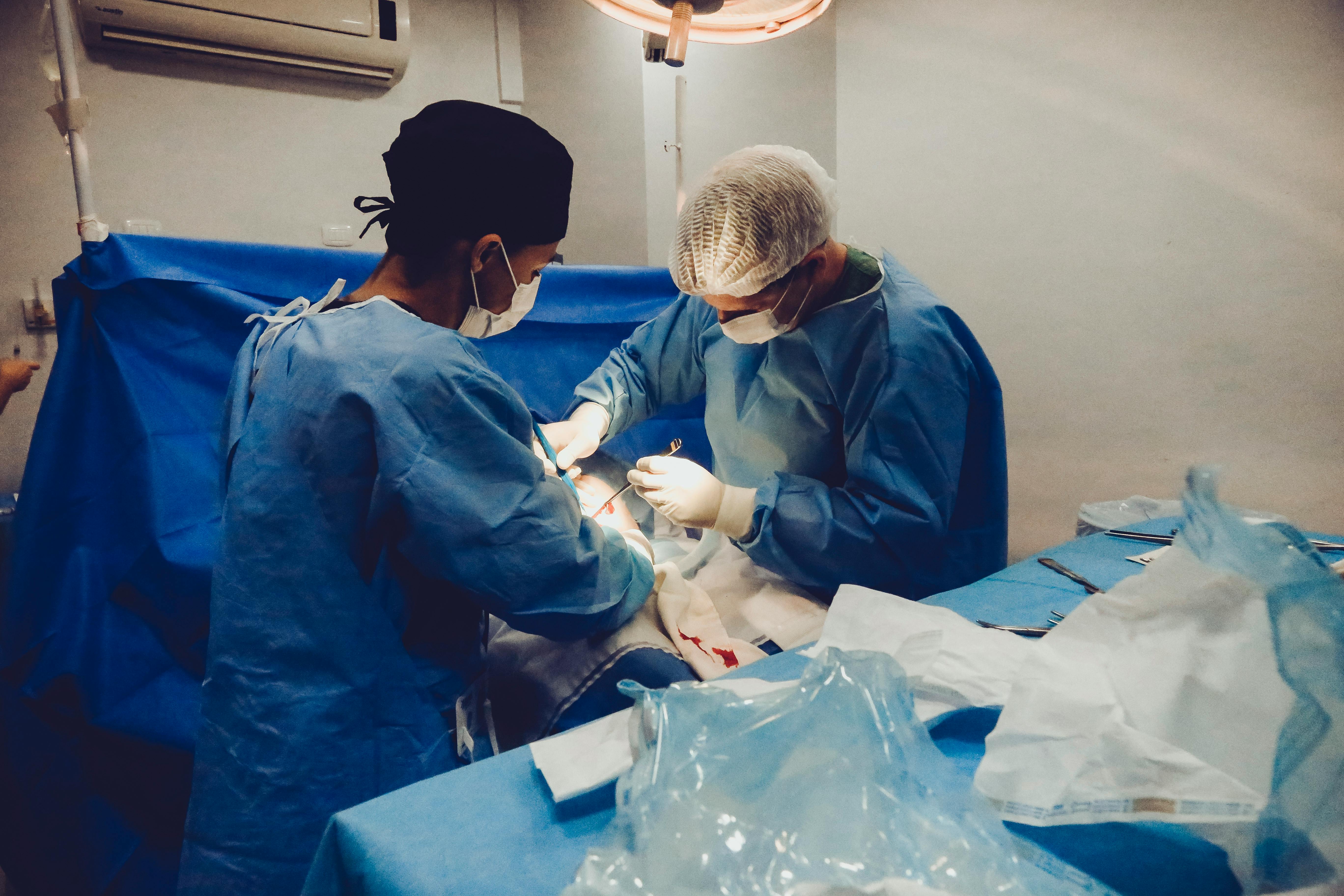
Dr. Pensa admits that, “serious medical mistakes do occur” (para. 7). But, indeed, they can be reduced or avoided by simulation based learning. Medical simulation enhances patient safety, reduce medical errors and improve efficiencies by providing realistic and risk-free training opportunities for healthcare professionals (Al-Elq, 2010; Lateef, 2010; Fried, et al., 2004). Simulation can help improve communication, teamwork, decision-making, and technical skills. A medical practitioner will not advance to work in real medical settings unless s/he practices with medical simulation devices.
How Simulated CO2 Detectors Work?
This handy simulator device is easy to use. Firstly, unpack the device, and charge the batteries fully before usage. Then, use the device with a plastic mannequin in a medically controlled setting. With just a push of a button, users can receive real-life insight into the amount of carbon dioxide on the high-resolution screen.
To start, connect the ventilator to a CO2 detector and to a tube inserted in the mouth of human-like robot. Then ventilate. As you ventilate, the color changes with every breath in real patients. If the amount of CO2 reduces or exceeds the controlled threshold, the detector changes color accordingly from beige to brown.
Even if doctors are sure that the tube is placed through the vocal cord, they will still look at the value of CO2 to confirm that the tube is in the right place.
It is important to note that real CO2 detectors determine air quality and assist with tracheal intubation (Ting Ng, et al, 2022). The first CO2 detector was designed in 1988 (Ting, et al. 2005).

Why XYZ Simulated CO2 Detectors?
XYAZ CO2 Detectors have various advantages. Above all, they:
- Come with 1-year satisfaction warranty for every purchase starting February 1st, 2024.
- Come with 2-year functional warranty. So you can easily replace them if they do not work properly.
- Come with user-friendly mobile app. You can easily access, customize, and share your data from any device, anytime, anywhere.
- Work through thick walls. You can enjoy working from any room, with a distance of 15 meters, or even from another floor.
- Work for nearly full day simulation using lithium rechargeable batteries.
- Produce real data similar to a real device.
- Assist simulation learning in a safe, convenient, and effective way.
- Use a standard USB port compatible with all devices.
- Have a long lifespan and withstand frequent use in hospital settings.
- Transmit CO2 data wirelessly via Bluetooth and mobile app.
- Send a visual report if the amount of CO2 exceeds or reduces from the expected level.
- Have a rectangular LCD screen with backlight with easy-to-read fonts.
- Are configurable and user-friendly.
Most importantly, Colorimetric CO2 Detector is an environment-friendly device. We aim to plant one tree in Canada and around the world with every one device sold. Rest assured that with every purchase you make, you are contributing to a much greener, safer and more sustainable environment.
Working with simulated CO2 detectors has no risk at all. This useful device can be used as many times as possible to ensure quality medical training and practices. Indeed, it is one of the safest ways to minimize medical errors or health risks in certain areas.

What Makes a Good CO2 Detector Simulator?
There are several factors to look for while purchasing or using a simulated CO2 detector. Below, we list top four common qualities of a good CO2 detector.
Increased Reality:
Some simulated CO2 detectors may not reproduce the CO2 waveform, values, or colors that are seen in real clinical situations. This can impact learning outcomes. Therefore, it is important that simulated CO2 detector should provide real data.
Functional Warranty:
Simulated CO2 detectors may malfunction, break down, or require frequent maintenance. Hence, it is good that your devices should have functional warranty to ensure reliability and give you peace of mind.
Compatibility:
Not all CO2 detectors have compatible USB Port. So it can give you headache while working with them. Make sure your devices has compatible port to ensure seamless connectivity, convenience and functionality with a wide range of devices.
Visual Report:
The device needs to have a clean visual report. And it should use distinct colors to show CO2 levels in a good resolution.
Mobile App:
Make sue the device should have an app. Mobile apps facilitate intuitive control and remote access, enhance user convenience, and streamline tasks with personalized experiences.
Conclusion
XYZ specializes in providing quality simulator devices in Canada and around the world over the past seven years. The Company has assisted numerous medical simulations achieve success. To know more about the product, or if you have any question, please reach out to info@emailaddress.com or call us at +1512289-0899.
References
- Al-Elq, A. M. H. (2010). Simulation-based medical teaching and learning. Journal of Family and Community Medicine, 17(1), pp. 35-40. doi: 10.4103/1319-1683.68787
- CO2 Detector: Simulated Colorimetric CO2 Detector (2024). Innov2Learn. Retrieved February 2, 2024 from https://innov2learn.ca/devices/simulated-co2-detector/
- Fried, M. P., Satava, R., Weghorst, S., Gallagher, A. G., Sasaki, C., Ross, D., Sinanan, M., Uribe, J. I., Zeltsan, M., Arora, H., & Cuellar, H. (2004). Identifying and Reducing Errors with Surgical Simulation, Quality and Safety in Health Care, 13(Suppl1), pp. i19–i26. doi: 10.1136/qshc.2004.009969
- Favaro, A. (Oct 19, 2023). ‘An Embarrassment to The Health-Care System’: Nurses Reveal Issues They See on The Job. CVT News. https://www.ctvnews.ca/health/an-embarrassment-to-the-health-care-system-nurses-reveal-issues-they-see-on-the-job-1.6607334
- Grave medical errors jump 36% in Quebec. (August 23, 2023). Canadian Healthcare Technology. Retrieved February 7, 2024 from https://www.canhealth.com/2023/08/23/grave-medical-errors-jump-36-in-quebec/
- Gordon, K. (Dec 21, 2022). Medical Error is now the Third-Leading Cause of Death in the U.S. https://www.vitall.com/blog/medical-error-is-now-the-third-leading-cause-of-death-in-the-u-s
- Lateef, F. (2010). Simulation-based learning: Just like the real thing. Journal of Emergencies, Trauma and Shock, 3(4), pp. 348–352. doi: 10.4103/0974-2700.70743
- Lawsuits Common for Surgeons, Survey Finds: 10 Most-Sued Specialties. (Nov 21, 2019). Becker’s ACS Review. Retrieved February 8, 2024 from https://www.beckersasc.com/asc-news/lawsuits-common-for-surgeons-survey-finds-10-most-sued-specialties.html
- Medical Mistakes are The Third Leading Cause of Death in Canada (2024). Guelf Today. Retrieved February 8, 2024 from https://www.guelphtoday.com/spotlight/medical-mistakes-are-the-third-leading-cause-of-death-in-canada-5787771
- Murez, C. (July 20, 2023). New Report Measures Scope of Damage from Medical Mistakes. US News and World Reports. https://www.usnews.com/news/health-news/articles/2023-07-20/new-report-measures-scope-of-damage-from-medical-mistakes
- Patient Harm in Canadian Hospitals? It Does Happen. (February 7, 2024). Canadian Institute for Health Information. Retrieved February 7, 2024 from https://www.cihi.ca/en/patient-harm-in-canadian-hospitals-it-does-happen#:~:text=In%202022%E2%80%932023%2C%201%20in,of%202.4%20million%20hospital%20stays
- Pensa, G. (March 31, 2023). The Unspoken Reason Why Many Doctors and Nurses Are Quitting. https://time.com/6267208/doctors-nurses-quitting-malpractice-litigation/
- Ting, Kun-Ting,; Liu, Hsu-Tang,; Chen, Kung-Yen.,; Liu, Chen-Kou,; Tsou, Mei-Yung, Chan, Kwok-Hon, & Tsai, Shen-Kou (2005).Using a CO2 Detector to Confirm Endotracheal Intubation in SARS Patients. Canadian Journal of Anaesthesia 52, pp. 446–447. https://doi.org/10.1007/BF03016300
- Tan, S. S. Y., & Sarkar, S. K. (2011). Simulation in Surgery: A Review. Scottish Medical Journal, 56(2), https://doi.org/10.1258/smj.2011.011098
- Ting Ng, Doris-Keh, Xu, Linfang, Chen, Weiguo, Wang, Huanhuan, Gu, Zhonghua, Chia, Xavier-Xujie, Fu, Yuan-Hsing, Jaafar, Norhanani, Ho, Chong-Pei, Zhang, Tantan, Zhang, Qingxin, & Lee, Lennon-Yao-Ting (2022). Miniaturized CO2Gas Sensor Using 20% ScAlN-Based Pyroelectric Detector. ACS Publication. 7(8), pp. 2345–2357. https://doi.org/10.1021/acssensors.2c00980
 Moallifeen Blogging Services
Leave a comment