

Signal phrases are short phrases that are placed at the beginning of a sentence to introduce a quote, paraphrase, or summary from a source. They are helpful to properly combine your ideas with the ideas you cite when using sources within your work. This article discusses how to use signal phrase in APA style effectively.
Outline
Why Fewer Signal Phrases are Better
While signal phrases are helpful in APA citation, it is not a good advice to use them all the time. Since signal phrases are always used at the beginning of a sentence, they can sometimes place too much emphasis on the source rather than the message.
As a common rule, readers are more focused on the ideas and information than on who said something. While authors can be important, overusing signal phrases can shift the attention away from the ideas being presented. As a writer, you don’t always need to highlight who said something; the focus should be on the message being conveyed.
Go for Parenthetical Citation
For this reason, writers are encouraged not to rely solely on signal phrases but to incorporate parenthetical citations as well particularly when writing a comprehensive literature review.
| Signal Phrase | Parenthetical Citation |
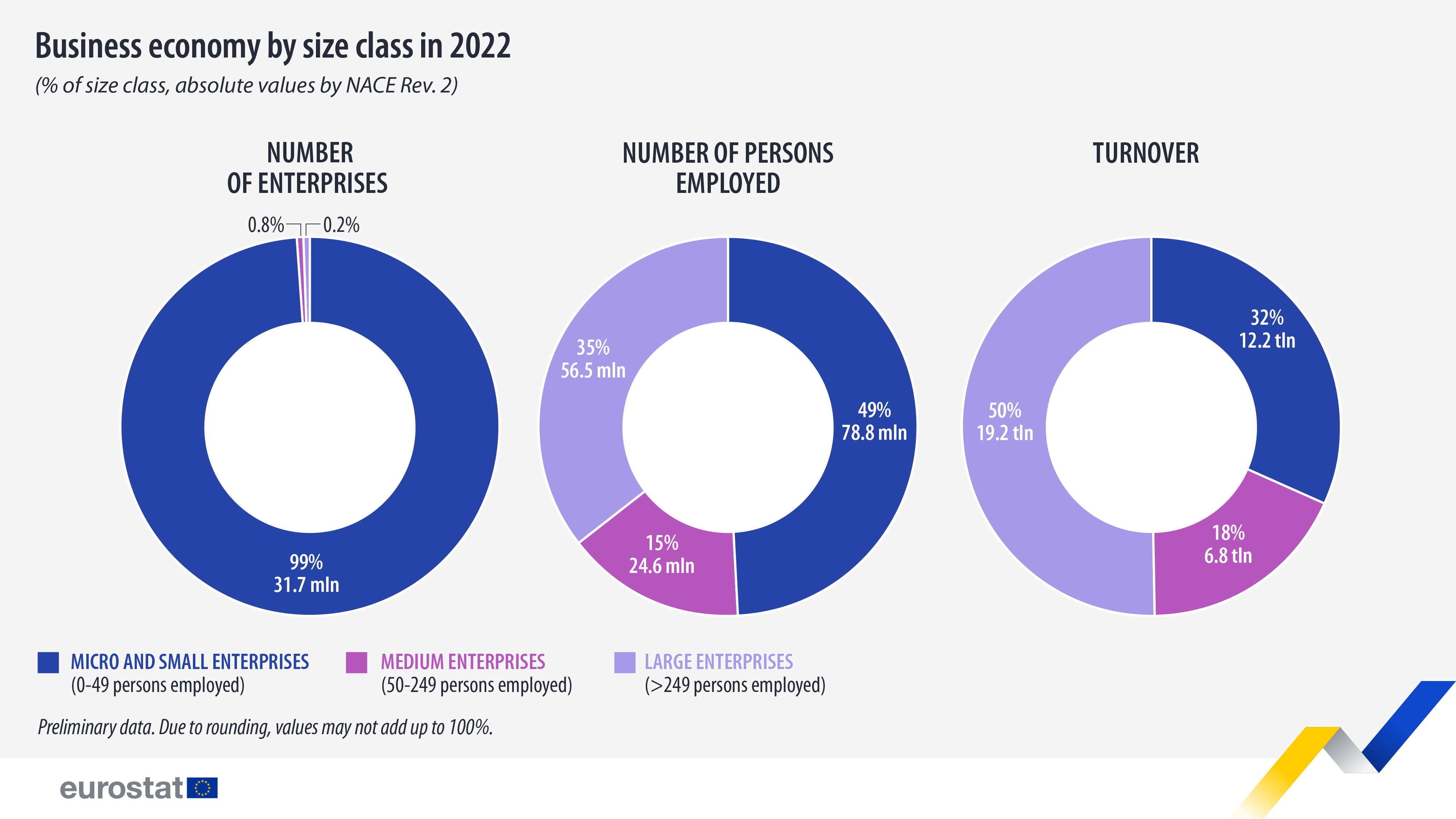
| According to Eurostat (2022), nearly all business in Europe are small and medium-sized enterprises(SMEs). Kestenbaum (2002) noted that families who argue over problems at home may bring the same conflicts to work and potentially jeopardize business stability. Do not overuse signal phrases. | Nearly all business in Europe are small and medium-sized enterprises (SMEs)(Eurostat, 2022). Families who argue over problems at home may bring the same conflicts to work and potentially jeopardize business stability (Kestenbaum, 2002). Use parenthetical citation instead. |
This approach ensures that writers prioritize the ideas presented in their work without interrupting the flow of their sentences. By minimizing the emphasis on the author, parenthetical citations direct attention to the ideas and information shared rather than to the individual presenting them. Adopting this method enhances readability and prevents overwhelming the reader with excessive references to the source.
Therefore, reduce the use of signal phrases at the beginning of sentences and focus more on incorporating parenthetical citations, also known as non-reporting and non-central citation styles. Learn more about “Three Ways to Cite within the Text.”
APA is Author-Date Style of Citation
Don’t forget that APA is author-date style of citation, which means that for every source you cite, you will need the author’s last name and the date of publication. Months and days of publication are not included in the in-text citation.
Choose the Right Signal Phrases
Remember, choosing signal phrases can reveal a lot about how you view the sources. They can show whether you agree with the source, present it neutrally, or express disagreement, or uncertainty.
Below is a list of signal words grouped under different categories to help you choose the right one for your writing.
| Present a Perspective Neutrally | Express Agreement |
| Acknowledged that Commented that Maintained that Noted that Observed that Pointed out that Reported that Responded that Stated that Wrote that | Affirmed that Agreed that Confirmed the claim that Endorsed the perspective that Expressed support for Reinforced this viewpoint Upheld the idea that |
| Express Disagreement | Express Uncertainty |
| Cast doubt on Challenged the assumption that Contradicted this claim Denied that Disagreed with the argument that Disputed the findings of Objected to the claim that Opposed the viewpoint that Questioned whether Refuted this perspective | Appears to suggest that Assumed that Hypothesized that Indicated a possibility that Inferred that Proposed that Raised the question of whether Seemed to imply that Speculated that Theorized that |
| Reporting Research Findings | Challenge a Viewpoint |
| Analyzed the data and found that Collected evidence that Demonstrated through research that Discovered that Documented cases in which Found that Measured the impact of Provided data supporting Recorded the results of Showed through experimentation that | Challenged that Disputed that Denied Rejected Opposed Refuted Contradicted |
Common Challenges
Redundancy in Signal Phrases
Some writers often repeat the same signal phrases, which makes their writing sound dull. For example, using “According to” multiple times in a paragraph can become repetitive and disrupt the flow. To avoid this, vary your signal phrases by using alternatives listed in the above table.
Incorrect Use of Verbs in Signal Phrases
Writers may unintentionally use incorrect verbs in signal phrases. For instance, using “claims” in a phrase like “Mr. Smith claims” implies that his idea might lack support or evidence.
When citing credible sources, it is essential to choose more appropriate verbs to reflect the level of certainty. Verbs like “claim” shows uncertainty, “state” indicates neutrality, “confirms” or “argues” show stronger assertions and so forth.
Overuse of Direct Quotations
Over-relying on direct quotations can make writing less original. Direct quotes should be used, mainly when citing facts, or very specific details that must be conveyed exactly as written by the source. Your primary goal should be to paraphrase or summarize the sources and present the information in your own words. This way you not only keep your writing fresh and original but also show your understanding of the material.
Citing the Same Source Repeatedly
Some writers may repeatedly use the same source within a paragraph without incorporating other sources. This practice should be avoided as it can limit the depth of your argument and reduce the credibility of your work.
Including Irrelevant Quotation
Some inexperienced writers may choose quotations that are unrelated or completely irrelevant to their paragraphs or main ideas. This often happens when writers select quotes based on what sounds impressive rather than what directly supports their argument.
Off-topic quotes can confuse readers, weaken your argument, and break the flow of your paper. It’s important to choose quotes that directly relate to and support your points.
Failing to Relate Sources to Your Argument
Some writers use sources but fail to connect them to their arguments. They include quotations without explaining how the quote supports or relates to their point. The PEEL method can be helpful to avoid this mistake.
The list of common challenges for citing sources properly can go on. We only focused on most recurring ones.
Conclusion
It is clear that using signal phrases effectively is critical for research writing. Failing to do it in the right manner can lead to confusion, weaken your research quality, and undermine your academic standing. If you’re struggling with these challenges, work with us at the Writing Center. You’ll not only avoid these common pitfalls but also significantly improve your research and writing skills. We’ll help you seamlessly integrate sources, sharpen your arguments, and ensure your work is both persuasive and polished. Get in touch today and elevate your writing to the next level.
 Moallifeen Blogging Services
Leave a comment